

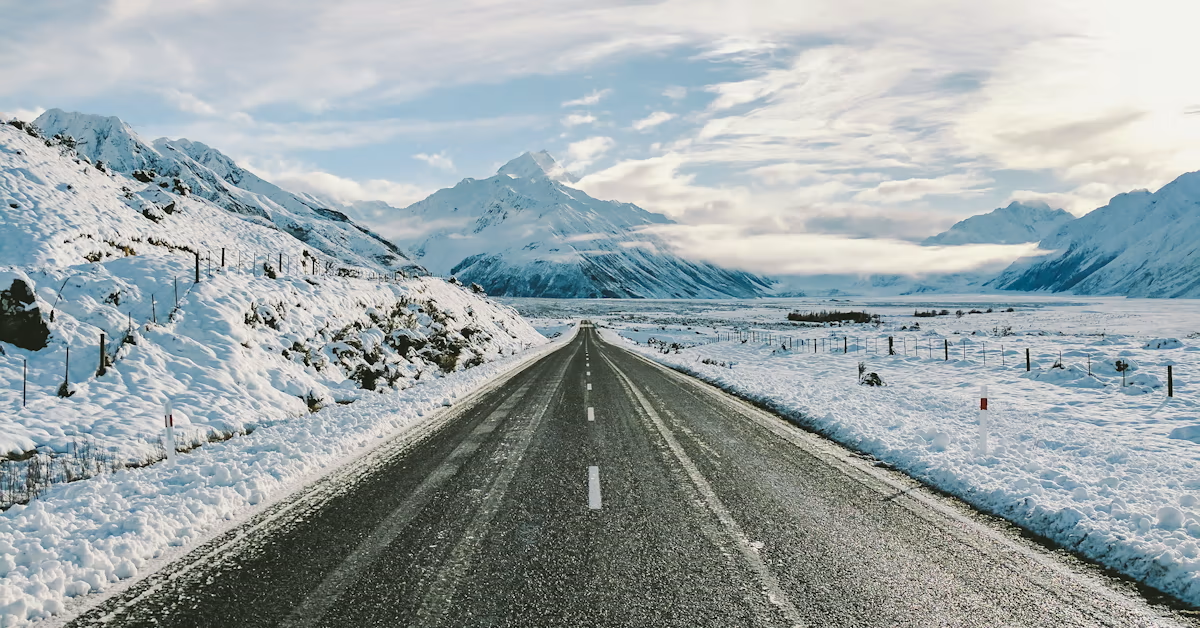
With more snow, ice, and frosts forecast spare a thought for the bus and coach drivers whose working day can include some of New Zealand’s most demanding winter roads.
From alpine passes and frosty rural roads to rain, flooding and poor visibility, winter can change driving conditions quickly. At Ritchies our drivers prepare for the conditions well before the weather arrives.
Refresher winter driver training is rolled out across the country as a reminder of the measures that will help keep everyone onboard safe in challenging conditions. Our refresh training revisits the risks, and the practical steps that help them respond safely. It also gives teams an opportunity to think about local routes and share knowledge of areas where frost, black ice, or poor visibility can present particular challenges.
Winter preparation includes weather and road monitoring, communication between drivers and depot teams, and route planning for changing conditions. Fleet is serviced and equipped with snow chain fitting kits.
Cold weather can also affect the performance of zero-emission buses. Lower temperatures and the energy used to heat the vehicle can reduce the distance available from a charge, particularly on longer or more demanding routes.
Our operations teams take this into account with good planning, close monitoring of battery state of charge and adjustments to charging where required.
Safety over schedule
Winter services sometimes take longer. A journey may need to slow down, wait for conditions to improve, follow a diversion or, in some circumstances, not go ahead.
For passengers this can be inconvenient, but we always prioritise the safety of our passengers, drivers and other road users.
- Our drivers, already well trained, receive further support to assess the conditions in front of them and communicate any concerns.
- Depot and operations teams monitor weather warnings, road closures and reports from drivers already travelling through the area. That information helps determine whether services can operate safely and whether changes are required.
Even where roads remain open, however, shaded sections, bridges and areas of standing moisture can freeze, while black ice may be difficult to see.
Local experience matters
Our drivers bring valuable local knowledge to their work and learn the exposed stretches, shaded corners, steep approaches and areas where fog, water or ice can linger. Our safety training and operational processes reinforce a simple principle: if conditions change, we adapt.
“Our drivers carry a significant responsibility in winter,” says Ritchies Learning and Development Specialist Anushri Nair.
“They’re not only managing a large vehicle in difficult conditions; they are looking after everyone on board. Our ongoing training, their local knowledge and good communication all helps with the important job they have to do.”
A shared responsibility
Passengers can also help when difficult weather is forecast by allowing extra travel time, taking care getting on or off the bus and checking for service or road updates before leaving.
For longer journeys, NZTA recommends carrying warm clothing, water and food in case closures or delays require travellers to stop and wait. It also advises checking current highway conditions before setting out.
To our drivers and operational teams working through winter: thank you for the care, patience and judgement you bring to every journey. And to our passengers, thank you for understanding when winter conditions mean the safest journey may take a little longer.


